
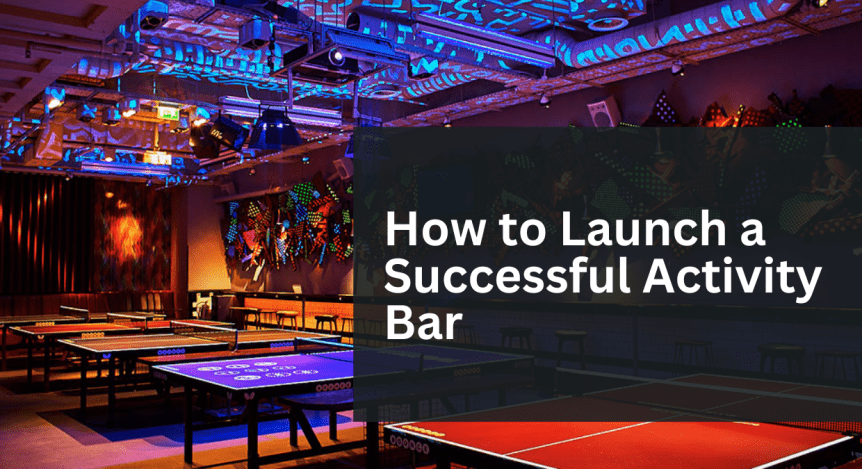
The UK activity bar market represents a £1.4 billion sector experiencing 6.2% annual growth, driven by consumer demand for experiential entertainment and social interaction. This segment combines traditional hospitality with interactive entertainment, creating venues that serve as social hubs for everything from casual evenings to corporate team-building events.
However, despite the apparent opportunity, 47% of new activity bars fail within their first three years. The primary causes aren’t lack of demand or poor location choices—they’re inadequate business planning, unsustainable financial models, and failure to differentiate from an increasingly crowded market.
Through my work with SGI Consultants, I’ve guided numerous entrepreneurs through the successful launch of activity bars, ranging from intimate 80-capacity venues generating over £ 400,000 annually to large-format entertainment centres achieving seven-figure revenues. The difference between success and failure lies in applying systematic business frameworks to what many approach as a lifestyle venture.
In this comprehensive guide, I’ll share the strategic methodology we use to help clients build profitable, sustainable activity bar businesses that thrive in competitive markets whilst generating strong returns for their owners.
Understanding the Activity Bar Market: Strategic Analysis and Opportunity Assessment
The UK activity bar landscape has evolved dramatically over the past decade, shifting from traditional pubs with pool tables to sophisticated entertainment destinations that feature everything from virtual reality experiences to innovative socialising concepts. Understanding this evolution is crucial for identifying genuine market opportunities.
Market Segmentation and Business Model Analysis
Traditional Activity Bars (£3-8 per person/hour revenue)
- Market Share: 45% of total market volume
- Key Features: Pool tables, darts, traditional pub games
- Customer Profile: Local regulars, casual social groups
- Average Spend: £25-35 per person per visit
- Profit Margins: 18-25% EBITDA through volume operations
Competitive Socializing Venues (£15-25 per person/hour revenue)
- Market Share: 35% of total market volume
- Key Players: Flight Club, Bounce, All-Star Lanes, Competitive Social Ventures
- Customer Profile: Young professionals, corporate groups, special occasions
- Average Spend: £45-65 per person per visit
- Profit Margins: 25-35% EBITDA through premium pricing
Technology-Enhanced Experiences (£20-40 per person/hour revenue)
- Market Share: 20% and rapidly growing
- Key Features: VR experiences, interactive gaming, digital integration
- Customer Profile: Tech-savvy millennials, experience seekers
- Average Spend: £55-85 per person per visit
- Profit Margins: 30-40% EBITDA through technological differentiation
Emerging Market Opportunities
Through analysing successful SGI clients and industry trends, several underserved segments present significant opportunities:
Wellness-Integrated Activity Bars: Venues that combine traditional activities with wellness elements, such as mindful gaming, alcohol-free options, and health-conscious food. Our client, Emma, built a £380,000 annual revenue business by integrating yoga classes, meditation spaces, and wellness-focused activities with traditional bar games, achieving 40% higher customer retention than conventional venues.
Corporate Experience Centers Dedicated facilities designed for corporate events, team building, and business entertainment. These B2B-focused venues achieve higher average spending (£60-80 per person) and more predictable revenue through corporate contracts.
Multi-generational family entertainment venues are designed to cater to multiple age groups simultaneously, offering age-appropriate activities and a diverse range of food and beverage options. This approach captures the growing family entertainment market whilst addressing the need for inclusive social spaces.
Hyper-Local Community Hubs Smaller format venues (2,000-3,000 sq ft) serving specific neighbourhoods with community-focused programming, local partnerships, and flexible spaces for private events and regular programming.
Strategic Business Model Development Using SGI’s Success Formula
Successful activity bars demonstrate three critical characteristics aligned with our Business Success Formula: genuine market appeal beyond novelty, sustainable profitability across multiple revenue streams, and operational systems that scale without constant owner involvement.
Market Appeal Assessment Framework
Target Customer Definition and Validation Effective activity bars serve specific customer segments rather than trying to appeal to everyone:
Primary Customer Segments
- Young Professionals (25-35): Seeking networking and social experiences after work
- Corporate Groups: Team building, client entertainment, company celebrations
- Social Celebrants: Birthday parties, bachelor/bachelorette events, milestone celebrations
- Casual Social Groups: Friends looking for interactive entertainment experiences
Customer Journey Analysis Understanding how customers discover, evaluate, and choose activity bars:
Discovery Phase
- Online searches for “things to do” and “entertainment near me”
- Social media exposure through friends’ posts and check-ins
- Corporate event planners seeking unique venue options
- Word-of-mouth recommendations from previous visitors
Evaluation Phase
- Website research focusing on activities, pricing, and availability
- Review platform analysis (Google, TripAdvisor, Facebook)
- Social media content showcasing atmosphere and experiences
- Direct inquiries about group bookings and special events
Client Success Example: James identified that existing entertainment options in Manchester underserved corporate groups. His activity bar focused specifically on team building and client entertainment, featuring private event spaces, corporate catering, and business-friendly scheduling. This targeted approach achieved 70% corporate bookings and £520,000 annual revenue within 18 months.
Profitability Model Development
Multiple Revenue Stream Strategy Sustainable activity bars develop diversified revenue beyond basic food and beverage sales:
Primary Revenue Streams
- Activity Charges: £8-25 per person per hour, depending on the activity type
- Food and Beverage: 40-50% of total revenue with 65-75% gross margins
- Private Event Bookings: Premium pricing for exclusive venue access
- Corporate Contracts: Regular bookings with guaranteed minimum spends
Secondary Revenue Streams
- Retail Merchandise: Branded items, game accessories (5-8% of revenue)
- Experience Packages: Birthday parties, corporate team building with inclusive pricing
- Membership Programs: Regular customer discounts and exclusive access
- Equipment Rental: High-end gaming equipment for external events
Financial Model Benchmarks Using SGI’s financial planning framework, successful activity bars achieve:
- Revenue per Square Foot: £150-300 annually, depending on concept and location
- Average Customer Spend: £35-65 per visit across all revenue streams
- Customer Visit Frequency: 2.5-4.5 trips annually for regular customers
- Gross Profit Margin: 60-70% with proper pricing and cost management
Sustainability and Scalability Framework
Operational System Development Build systems that deliver consistent experiences without requiring constant owner oversight:
Customer Experience Systems
- Booking and Reservation Management: Online platforms with real-time availability
- Activity Instruction and Safety: Standardised procedures and staff training
- Food and Beverage Service: Efficient ordering and delivery systems
- Event Management: Streamlined processes for private and corporate bookings
Technology Integration Strategy
- Point of Sale Systems: Integrated POS handling activities, F&B, and events
- Customer Relationship Management: Database for repeat customers and marketing
- Activity Management: Digital systems for game time tracking and billing
- Performance Analytics: Data collection for optimisation and growth planning
Strategic Location Analysis and Venue Selection
The location represents the most critical success factor for activity bars, as it influences customer accessibility, operational costs, and long-term viability. Poor location decisions cause 43% of activity bar failures, making systematic site evaluation essential.
Location Assessment Framework
Demographics and Market AnalysisPopulation Density and Composition
- Primary Trade Area: 1-2 mile radius with a minimum of 25,000 people
- Secondary Trade Area: 3-5 mile radius for special events and corporate bookings
- Age Demographics: The 25-45 age group represents a minimum of 35% of the local population
- Income Levels: Median household income £35,000+ for sustainable customer base
Competitive Landscape AnalysisDirect Competition Assessment
- Existing Activity Bars: Map all entertainment venues within a 3-mile radius
- Traditional Pubs and Bars: Assess overlap in target demographics
- Other Entertainment: Cinemas, bowling alleys, escape rooms, restaurants
- Market Saturation: Calculate entertainment options per capita in the trade area
Commercial Environment EvaluationBusiness District Integration
- Office Concentrations: Proximity to business parks and corporate offices
- Retail Environment: Integration with shopping centres and entertainment districts
- Transportation Access: Public transport links and parking availability
- Foot Traffic Patterns: Peak times and seasonal variations
Facility Requirements and Layout Planning
Space Allocation StrategyOptimal Space Distribution
- Activity Areas: 40-50% of total space for games and entertainment
- Food and Beverage Areas: 25-30%, including bar, seating, and service areas
- Support Functions: 20-25% for kitchen, storage, offices, and restrooms
Minimum Viable Space Requirements
- Total Square Footage: 3,000-5,000 sq ft for a comprehensive offering
- Ceiling Height: Minimum 12 feet for most activities and atmosphere
- Activity Zones: Separate areas for different activity types and noise levels
- Private Event Space: Dedicated areas for corporate and celebration bookings
Infrastructure and Technical RequirementsElectrical and Technology
- Power Requirements: 400-600 amp service for equipment and lighting
- Network Infrastructure: High-speed internet and WiFi throughout the venue
- Audio/Visual Systems: Zone-controlled sound and lighting systems
- Security Systems: CCTV, access control, and alarm systems
HVAC and Environmental Controls
- Air Circulation: High-capacity systems for active entertainment environments
- Temperature Control: Zone control for different activity areas
- Noise Management: Sound isolation between areas and external neighbours
- Emergency Systems: Fire suppression, emergency lighting, and evacuation routes
Comprehensive Financial Planning and Investment Strategy
Activity bars require a substantial upfront investment with payback periods of 15-24 months. Inadequate capitalisation causes 38% of failures, making comprehensive financial planning essential for success.
Startup Cost Analysis and Investment Requirements
Detailed Capital Requirements BreakdownFacility Development Costs
- Lease Deposits and Legal: £8,000-20,000 depending on location and lease terms
- Renovation and Buildout: £60-120 per sq ft (£180,000-600,000 for typical venues)
- Activity Equipment: £40,000-120,000 depending on technology level and activity mix
- Kitchen and Bar Equipment: £25,000-60,000 for food service capabilities
Technology and Systems Investment
- Point of Sale Systems: £8,000-15,000 for comprehensive activity management
- Audio/Visual Equipment: £15,000-40,000 for lighting, sound, and entertainment systems
- Security and Access Control: £5,000-12,000 for comprehensive security systems
- Activity-Specific Technology: £20,000-80,000 for interactive and VR equipment
Pre-Opening and Working Capital
- Licenses and Permits: £3,000-8,000 for required approvals
- Insurance and Bonds: £5,000-12,000 for comprehensive coverage
- Initial Marketing: £15,000-30,000 for launch campaigns
- Working Capital: 4-6 months operating expenses (£40,000-80,000)
Activity Equipment Strategy and Procurement
Equipment Categories and Investment LevelsTraditional Gaming Equipment
- Pool Tables: £1,500-4,000 per table (commercial grade)
- Dart Boards: £300-800 per setup, including electronic scoring
- Table Games: £500-2,000 per table (ping pong, foosball, air hockey)
- Installation and Setup: 15-20% of equipment costs
Technology-Enhanced Activities
- VR Gaming Stations: £8,000-15,000 per station, including software
- Interactive gaming: £5,000-12,000 per installation
- Digital Entertainment: £10,000-25,000 for comprehensive systems
- Ongoing Software Licensing: £200-500 monthly per technology platform
Client Example: Sophie launched a technology-focused activity bar in Birmingham with systematic equipment planning. Her phased approach involved starting with traditional games and adding technology components based on customer feedback and revenue growth. This strategy reduced the initial investment by £60,000 while enabling the incorporation of rapid customer feedback.
Revenue Projections and Business Modeling
Customer Volume and Frequency ModelingRealistic Traffic Projections
- Months 1-6: 150-400 monthly unique customers (launch and early adoption)
- Months 7-12: 400-800 monthly unique customers (word-of-mouth growth)
- Months 13-18: 600-1,200 monthly unique customers (established operations)
- Months 19-24: 800-1,500+ monthly unique customers (full market penetration)
Revenue per Customer AnalysisAverage Spend Calculations
- Casual Visits: £25-40 per person for 2-3 hour experiences
- Special Events: £45-65 per person for birthday and celebration packages
- Corporate Bookings: £55-85 per person for team building and entertainment
- Repeat Customer Premium: 15-25% higher Spend from regular customers
Seasonal and Weekly Patterns
- Peak Periods: Friday/Saturday evenings, holiday periods, corporate year-end
- Steady Periods: Weekday evenings, Sunday afternoons
- Building Periods: Weekday afternoons, early weekday evenings
- Marketing Opportunities: Targeting off-peak periods with promotions and special programming
Licensing, Legal Structure, and Regulatory Compliance
Activity bars operate in a heavily regulated environment requiring multiple licenses and ongoing compliance. A proper legal structure and effective regulatory management protect business operations while ensuring smooth growth.
Essential Licensing Requirements
Alcohol and Entertainment LicensingPremises License for Alcohol Sales
- Application Process: 4-6 weeks with local authority consultation
- Operating Hours: Define permitted hours for alcohol sales and activities
- Capacity Limits: Maximum occupancy and safety requirements
- Conditions: Specific requirements for noise, security, and operations
Entertainment License Requirements
- Live Music and DJ Licensing: PRS and PPL licenses for music performance
- Gaming and Activity Licenses: Specific permits for certain gaming equipment
- Late Night Refreshment: Extended food service licensing if required
- Temporary Event Notices: Procedures for special events and promotions
Health and Safety Compliance
Food Safety and Hygiene StandardsFood Hygiene Rating Requirements
- Kitchen Design and Equipment: Commercial kitchen standards and equipment
- Staff Training: Food safety certification for all food handling staff
- HACCP Procedures: Hazard analysis and critical control point systems
- Regular Inspections: Local authority inspections and rating maintenance
Activity Safety and Risk Management Safety Standards
- Installation Requirements: Professional installation and safety certification
- Regular Inspections: Monthly safety checks and maintenance schedules
- Staff Training: Comprehensive safety training for all activity supervision
- Emergency Procedures: Clear protocols for accidents and incidents
Insurance and Risk Protection
Comprehensive Insurance PortfolioPublic Liability Insurance
- Minimum coverage: £2-5 million for customer injury and property damage
- Activity-Specific Coverage: Additional protection for specialised equipment
- Alcohol Service Coverage: Protection for incidents related to alcohol service
- Professional Indemnity: Coverage for advice and instruction provided to customers
Operational Risk ManagementCustomer Safety Protocols
- Activity Instruction: Mandatory safety briefings and supervision
- Alcohol Management: Responsible service policies and staff training
- Incident Response: Clear procedures for managing accidents and disputes
- Security Measures: CCTV systems, incident logging, and emergency contacts
Technology Integration and Digital Experience Strategy
Modern activity bars require sophisticated technology integration to achieve operational efficiency, enhance customer engagement, and maintain competitive differentiation. Technology investment should align with customer expectations and business objectives.
Activity Management Technology
Integrated Management PlatformsCore System Requirements
- Activity Booking: Real-time availability and reservation management
- Time Tracking: Automated timing and billing for hourly activities
- Payment Processing: Seamless integration of activity and F&B charges
- Customer Database: Comprehensive profiles and visit history tracking
Popular Platform Solutions
- BookingBug: Comprehensive booking platform with activity management (£200-400 monthly)
- Square: Point of sale with activity booking integration (£150-300 monthly)
- Checkfront: Booking and activity management for entertainment venues (£180-350 monthly)
- Custom Solutions: Bespoke platforms for unique requirements (£500-1,500 monthly)
Customer Experience Technology
Digital Ordering and Service PlatformsTable-Side Technology
- QR Code Menus: Contactless menu access and ordering capabilities
- Mobile Ordering: App-based food and beverage ordering during activities
- Digital Payments: Multiple payment options, including contactless and mobile
- Loyalty Integration: Points and rewards tracking through digital platforms
Interactive Entertainment TechnologyGaming and Activity Enhancement
- Digital Scoring Systems: Automated scoring for darts, pool, and other games
- Leaderboards and Competitions: Real-time competition tracking and displays
- Social Media Integration: Photo opportunities and sharing capabilities
- Virtual Reality Systems: Immersive gaming experiences for premium pricing
Marketing and Customer Engagement Technology
Digital Marketing AutomationCustomer Relationship Management
- Email Marketing: Automated campaigns for events, promotions, and retention
- SMS Marketing: Real-time communications for booking confirmations and offers
- Social Media Management: Automated posting and engagement tracking
- Review Management: Monitoring and responding to online reviews
Analytics and Performance TrackingBusiness Intelligence Systems
- Customer Behavior Analytics: Visit patterns, spending habits, and preferences
- Activity Utilisation: Equipment usage patterns and optimisation opportunities
- Revenue Analytics: Performance tracking across all revenue streams
- Marketing ROI: Campaign effectiveness and customer acquisition costs
Menu Development and Food Service Strategy
Food and beverage operations account for 45-55% of typical activity bar revenue, requiring a careful balance between quality, efficiency, and profitability. Strategic menu development enhances customer experience whilst optimising operational complexity.
Strategic Menu Planning Framework
Concept-Driven Menu DevelopmentActivity-Friendly Food Design
- One-Handed Consumption: Foods that don’t interfere with gaming activities
- Shareable Formats: Platters and appetisers encouraging group interaction
- Quick Service Items: Minimal preparation time for immediate gratification
- Quality Ingredients: Premium offerings justifying higher price points
Kitchen Efficiency OptimizationOperational Simplicity
- Limited SKUs: Focus on 15-25 core menu items done exceptionally well
- Cross-Utilisation: Ingredients that work across multiple menu items
- Preparation Workflows: Items that can be partially prepared during slower periods
- Equipment Efficiency: Menu designed around specific kitchen equipment capabilities
Beverage Program Strategy
Craft Beer and Local PartnershipsLocal Brewery Relationships
- Exclusive Offerings: Unique beers available only at your venue
- Rotation Programs: Regular new offerings to encourage repeat visits
- Educational Elements: Staff training and customer education about offerings
- Event Opportunities: Brewery nights and tasting events
Cocktail Program DevelopmentSignature Cocktail Creation
- Theme Integration: Cocktails reflecting venue theme and activities
- Batch Preparation: Cocktails that can be partially prepared for efficiency
- Premium Positioning: Higher-margin offerings for enhanced experiences
- Interactive Elements: Tableside preparation or customer customisation
Kitchen Design and Operational Planning
Commercial Kitchen RequirementsEquipment and Layout Planning
- Prep Space: Adequate space for food preparation and storage
- Cooking Equipment: Grills, fryers, and ovens appropriate for menu requirements
- Refrigeration: Walk-in coolers and freezers for inventory management
- Service Areas: Efficient food pickup and delivery systems
Staffing and Training StrategyKitchen Management
- Chef/Kitchen Manager: Experienced professional overseeing food operations
- Line Cooks: Trained staff capable of executing menu consistently
- Food Safety Training: Comprehensive training for all food handling staff
- Cross-Training: Flexibility for varying business levels and staff scheduling
Marketing Strategy and Customer Acquisition
Successful activity bars require systematic marketing approaches that generate consistent customer flow across different segments and usage occasions. Marketing should build awareness whilst driving both casual visits and event bookings.
Digital Marketing Strategy Development
Search Engine MarketingLocal SEO Optimisation
- Local Keywords: “activity bar near me,” “things to do in [city],” “corporate entertainment [location]”
- Google My Business: Reviews, photos, event listings, and accurate business information
- Website Optimisation: Mobile-responsive design, booking integration, activity information
- Content Marketing: Activity guides, event planning tips, local entertainment insights
Social Media Marketing StrategyPlatform-Specific Approaches
- Instagram: Visual content showcasing activities, food, and customer experiences
- Facebook: Event promotion, customer testimonials, community engagement
- LinkedIn: B2B marketing for corporate events and team building
- TikTok: Short-form videos demonstrating activities and creating viral moments
Paid Digital AdvertisingGoogle Ads Strategy
- Search Campaigns: Target high-intent keywords with compelling ad copy
- Display Campaigns: Retargeting website visitors with special offers
- Local Service Ads: Appear in local search results for entertainment queries
- Budget Allocation: Typically, 4-6% of revenue for established businesses
Event Marketing and Corporate Sales
Corporate Business DevelopmentB2B Sales Strategy
- Direct Outreach: Systematic contact with local businesses and event planners
- Corporate Packages: Structured offerings for team building and client entertainment
- Referral Programs: Incentives for corporate customers who refer other businesses
- Partnership Development: Relationships with corporate event planners and HR companies
Private Event MarketingCelebration and Special Event Focus
- Birthday Packages: Structured offerings for different age groups and party sizes
- Bachelor/Bachelorette Events: Specialised packages for pre-wedding celebrations
- Corporate Celebrations: Company parties, product launches, and milestone events
- Seasonal Promotions: Holiday-themed events and seasonal package offerings
Community Engagement and Local Marketing
Local Partnership DevelopmentStrategic Community Relationships
- Tourism Boards: Partnership with local tourism organisations for visitor recommendations
- Hotel Concierges: Referral relationships with local accommodation providers
- Local Businesses: Cross-promotional opportunities with complementary businesses
- Community Organisations: Sponsorship and partnership with local groups and charities
Grand Opening and Launch StrategyComprehensive Launch Planning
- Soft Opening: Invitation-only events for feedback and staff training
- Media Preview: Local press and influencer events for coverage and awareness
- Grand Opening: Public celebration with special offers and activity demonstrations
- Ongoing Promotions: Launch period incentives to build initial customer base
Operational Excellence and Customer Experience Management
Consistent operational excellence ensures customer satisfaction, staff efficiency, and business profitability. Systematic approaches to daily operations prevent problems whilst optimising performance across all business functions.
Daily Operations and Service Standards
Customer Experience ProtocolsService Level Standards
- Greeting and Welcome: All customers are acknowledged within 60 seconds of arrival
- Activity Instruction: Comprehensive briefings for all activities and equipment
- Food and Beverage Service: Maximum 15-minute delivery for most menu items
- Problem Resolution: Customer concerns were addressed immediately by management
Activity Management ProceduresSafety and Supervision Standards
- Equipment Inspection: Daily safety checks and maintenance protocols
- Activity Supervision: Trained staff available for instruction and assistance
- Time Management: Accurate timing and seamless transitions between customer groups
- Cleanliness Standards: Immediate cleanup between customer sessions
Staff Management and Training Programs
Comprehensive Training FrameworkNew Employee Orientation
- Activity Knowledge: Detailed training on all games and equipment
- Safety Procedures: Emergency protocols and incident management
- Customer Service Standards: Service expectations and communication skills
- Sales Training: Upselling techniques and package recommendations
Ongoing Development ProgramsSkill Enhancement and Retention
- Monthly Training Sessions: New techniques, safety updates, and service improvements
- Cross-Training: Multi-skilled employees for operational flexibility
- Performance Reviews: Regular feedback and development planning
- Career Advancement: Clear pathways for growth within the organisation
Performance Monitoring and Quality Control
Key Performance Indicators (KPIs)Financial Performance Metrics
- Revenue per Customer: Track across all customer segments and visit occasions
- Average Transaction Value: Monitor upselling success and pricing effectiveness
- Cost per Customer: Track operational efficiency and cost management
- Profit Margins: Monitor across food, beverage, and activity revenue streams
Operational Efficiency Metrics
- Activity Utilisation Rates: Equipment usage and capacity optimisation
- Customer Wait Times: Service efficiency and capacity management
- Staff Productivity: Revenue per employee and service quality metrics
- Customer Satisfaction: Regular surveys and review platform monitoring
Customer Feedback and Improvement SystemsContinuous Improvement Framework
- Daily Feedback Collection: Informal feedback during customer interactions
- Monthly Customer Surveys: Systematic satisfaction and suggestion collection
- Online Review Management: Monitor and respond to all online reviews
- Staff Feedback Sessions: Regular team input on operational improvements
Scaling and Growth Strategies
Successful activity bars eventually face growth decisions, including additional locations, concept evolution, or franchise development. Strategic growth planning ensures sustainable expansion whilst maintaining quality and profitability.
Business Model Evolution and Expansion
Multi-Location Development StrategyExpansion Framework
- Market Analysis: Identify underserved areas with similar demographics
- Concept Replication: Standardise successful elements whilst adapting to local markets
- Management Structure: Develop systems for multi-location operations
- Brand Consistency: Maintain service standards and customer experience across locations
Concept Evolution OpportunitiesService Line Extensions
- Event Planning Services: Full-service event planning beyond venue rental
- Corporate Training: Team building and leadership development programs
- Food and Beverage Expansion: Catering services and off-site event support
- Retail Operations: Branded merchandise and activity equipment sales
Franchise and Licensing Opportunities
Franchising ConsiderationsFranchise Development Framework
- System Documentation: Comprehensive operations manuals and training programs
- Territory Development: Geographic expansion through franchise partnerships
- Brand Protection: Maintaining quality standards across franchise locations
- Revenue Sharing: Franchise fees and ongoing royalty structures
Strategic Partnership DevelopmentPartnership Categories
- Corporate Partnerships: Regular corporate entertainment and team-building contracts
- Tourism Partnerships: Integration with hotels, tour operators, and destination marketing
- Entertainment Partnerships: Collaboration with other entertainment venues and event companies
- Technology Partnerships: Integration with booking platforms and entertainment networks
Technology-Driven Growth Strategies
Digital Experience EnhancementFuture Technology Integration
- Virtual Reality Expansion: Advanced VR experiences and multiplayer environments
- Augmented Reality: Interactive experiences blending physical and digital elements
- Mobile App Development: Comprehensive customer apps for booking, payments, and engagement
- Data Analytics: Advanced customer behaviour analysis and personalisation
Operational Technology ScalingSystem Integration and Automation
- Centralised Management: Multi-location systems for operations and analytics
- Automated Marketing: AI-driven customer segmentation and campaign management
- Predictive Analytics: Demand forecasting and inventory optimisation
- Mobile Management: Cloud-based systems enabling remote oversight and management
Risk Management and Business Protection
Activity bars face unique risks, including liability exposure, equipment failure, seasonal variations, and changing consumer preferences. Comprehensive risk management protects both business operations and long-term viability.
Operational Risk Management
Safety and Liability ProtectionComprehensive Safety Protocols
- Equipment Maintenance: Preventive maintenance schedules and safety inspections
- Staff Training: Regular safety training and emergency procedure updates
- Customer Safety: Clear rules, supervision, and incident response procedures
- Documentation: Detailed incident reports and safety compliance records
Insurance Strategy OptimizationComprehensive Coverage Portfolio
- General Liability: Protection against customer injury and property damage claims
- Liquor Liability: Coverage for incidents related to alcohol service
- Equipment Insurance: Protection against theft, damage, and technical failure
- Business Interruption: Coverage for income loss during forced closures
Financial Risk Management
Revenue Diversification and StabilityMultiple Revenue Stream Protection
- Seasonal Planning: Adjust marketing and programming for seasonal variations
- Corporate Contract Base: Reliable revenue through corporate partnerships
- Private Event Portfolio: Diversified event types and customer segments
- Emergency Reserves: Maintain 4-6 months of operating expenses in reserve
Market Risk MitigationCompetitive Positioning Strategy
- Unique Value Proposition: Develop distinctive experiences and customer benefits
- Customer Loyalty Programs: Reward repeat customers and encourage referrals
- Continuous Innovation: Regular activity updates and experience enhancements
- Market Monitoring: Track competitor activities and consumer trend changes
Regulatory and Compliance Risk
Ongoing Compliance management and Permit Maintenance
- Renewal Schedules: Calendar system for all license and permit renewals
- Regulatory Updates: Monitor changes in licensing and operational requirements
- Compliance Audits: Regular internal audits and professional compliance reviews
- Legal Support: Ongoing relationship with hospitality and entertainment attorneys
Health and Safety ComplianceContinuous Improvement Framework
- Regular Inspections: Proactive inspections and issue identification
- Staff Certification: Ongoing training and certification maintenance
- Policy Updates: Regular review and updating of safety and operational policies
- Emergency Planning: Comprehensive emergency response and business continuity plans
Success Metrics and Performance Optimisation
Sustainable activity bar success requires systematic measurement and continuous improvement. Understanding and optimising key performance indicators ensures long-term profitability and growth.
Financial Performance Analysis
Revenue Optimisation MetricsCustomer Economics
- Average Revenue per Customer: Target £40-60 across all revenue streams
- Customer Lifetime Value: Calculate the total revenue per customer over the relationship
- Customer Acquisition Cost: Track marketing costs per new customer acquisition
- Return on Marketing Investment: Measure campaign effectiveness and ROI
Profitability AnalysisMargin Management
- Gross Profit Margin: Target 65-75% across all revenue streams
- Activity Margin: Monitor profitability of different activity offerings
- Food and Beverage Margin: Track F&B profitability and cost management
- Operating Expense Ratio: Maintain 60-70% of revenue for sustainable operations
Operational Excellence Metrics
Customer Satisfaction and LoyaltyExperience Quality Measurement
- Customer Satisfaction Scores: Maintain 4.5+ star ratings across review platforms
- Repeat Visit Rates: Track customer return frequency and engagement
- Referral Rates: Monitor word-of-mouth marketing and customer advocacy
- Complaint Resolution: Measure response time and resolution effectiveness
Activity and Facility UtilizationCapacity Optimisation
- Peak Hour Utilization: Target 75-85% capacity during prime hours
- Activity Popularity: Track usage patterns and equipment ROI
- Space Efficiency: Optimise layout and programming for maximum utilisation
- Revenue per Square Foot: Benchmark against industry standards and competitors
Growth and Development Metrics
Business Development TrackingMarket Position Analysis
- Market Share: Track position within the local entertainment market
- Brand Recognition: Monitor social media engagement and local awareness
- Partnership Success: Measure corporate and strategic partnership value
- Innovation Impact: Track ROI of new activities and experience offerings
Strategic Initiative PerformanceGrowth Strategy Measurement
- Expansion Readiness: Monitor metrics supporting growth decisions
- Technology ROI: Measure return on technology investments
- Staff Development: Track employee satisfaction and retention rates
- System Scalability: Evaluate operational systems for growth support
Conclusion: Building Your Entertainment Business Empire
The activity bar industry offers tremendous opportunities for entrepreneurs who approach it with strategic thinking and systematic execution. Success requires moving beyond enthusiasm for entertainment to embrace comprehensive business planning, operational excellence, and continuous adaptation to evolving customer expectations.
Through my experience with SGI clients, I have found that the most successful activity bar entrepreneurs share common characteristics: they conduct thorough market research, develop comprehensive business plans with multiple revenue streams, implement systematic operations that ensure consistent customer experiences, and continuously optimise based on performance data and customer feedback.
The activity bar industry’s continued growth, driven by consumer demand for experiential entertainment and social interaction, provides sustainable opportunities for well-executed concepts. However, success demands differentiation through superior customer experiences, operational efficiency, and innovative entertainment offerings rather than simply providing activities in a bar setting.
Whether you’re planning a traditional games-focused venue or a high-tech entertainment destination, the principles outlined in this guide provide a proven framework for success. The key is systematic implementation, continuous measurement, and adaptation based on market feedback and business performance.
Remember that building a successful activity bar is about creating genuine value for customers seeking entertainment, social interaction, and memorable experiences. Focus on understanding your target market, building systems that deliver consistent quality, and maintaining the passion for hospitality that inspired your entrepreneurial journey.
The entertainment hospitality industry needs more entrepreneurs who understand both business fundamentals and the importance of creating spaces where people connect, celebrate, and make memories. By applying the strategic frameworks outlined in this guide, you can build a thriving activity bar business that serves your community while achieving your entrepreneurial and financial objectives.
At SGI Consultants, we’ve helped numerous entrepreneurs navigate the complexities of entertainment business development, from initial concept through successful scaling. Our comprehensive approach combines expertise from the hospitality industry with proven business methodologies to ensure sustainable success in the competitive entertainment market.
Ready to transform your vision for an activity bar into a profitable business venture? Book a free consultation to discuss your entertainment business concept and discover how our proven frameworks can help you build a successful, sustainable activity bar that delights customers whilst generating strong returns for your investment.
The journey to activity bar success begins with strategic planning and systematic execution. Make every decision count toward building the entertainment destination you envision.
Related Posts

Kurt Graver is the founder and CEO of SGI Consultants, a business consultancy that has helped over 2,000 entrepreneurs establish successful startups using systematic business development methodologies. An accountant with an MBA and 25 years of commerce and consultancy experience, Kurt specialises in strategic planning, market analysis, and sustainable business growth