
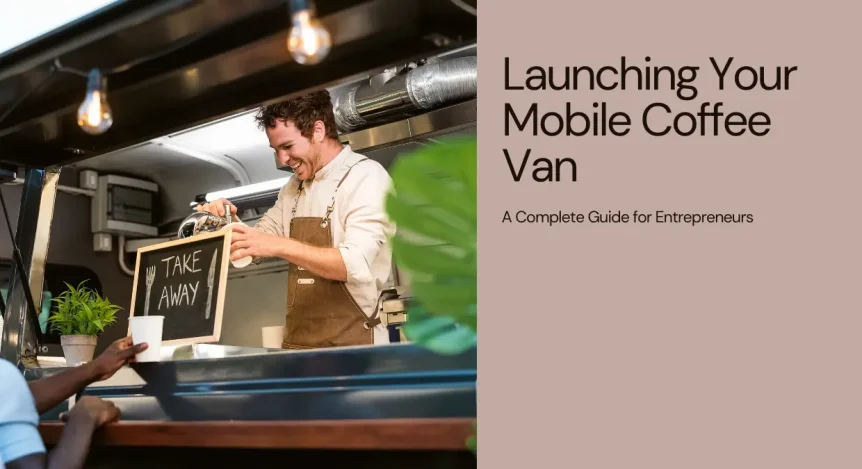
Imagine starting your day with the aroma of freshly brewed coffee, not from your kitchen but from a mobile coffee van you own and operate. The UK coffee market is thriving, with coffee shops experiencing significant growth. According to the British Coffee Association, UK coffee consumption has risen 25% in the past decade. This surge in coffee culture presents a lucrative opportunity for aspiring entrepreneurs to venture into the mobile coffee business.
Market Demand and Opportunity
The demand for coffee in the UK is substantial, with consumers seeking high-quality, convenient coffee options. A mobile coffee van caters to this need, offering the flexibility to serve customers at various locations, such as office parks, festivals, and markets. The growth potential in this industry is considerable, especially in areas with limited access to coffee shops. A mobile coffee van can carve out a niche in the competitive coffee market by targeting busy professionals, event-goers, and community gatherings.
The UK coffee shop market was valued at approximately £10 billion in 2020, with speciality coffee shops seeing the most significant growth. This trend indicates a strong and growing premium coffee market. As a mobile coffee van operator, you can tap into this trend by offering high-quality coffee and a unique customer experience.
Required Skills and Experience
Running a mobile coffee van requires a mix of barista skills, business acumen, and customer service excellence. Essential skills include:
- Proficiency in coffee brewing techniques and knowledge of different coffee beans.
- Basic understanding of business operations, including inventory management and financial planning.
- Excellent customer service and communication skills to build a loyal customer base.
While formal qualifications are not mandatory, completing a barista training course can be beneficial. The Speciality Coffee Association (SCA) offers various certifications to enhance your credibility and expertise in the industry. Additionally, gaining experience by working in a coffee shop or attending workshops can provide practical insights into coffee making and business management.
Startup Costs and Financing
The initial startup costs for a mobile coffee van can vary depending on the van’s condition and equipment quality. Here’s a breakdown of potential expenses:
- Coffee van purchase and customisation: £10,000 – £20,000
- Coffee machine and equipment: £3,000 – £5,000
- Initial stock and supplies: £1,000 – £2,000
- Marketing and branding: £500 – £1,000
- Licensing and permits: £300 – £500
- Insurance: £300 – £500
- Training and certifications: £200 – £500
To finance your venture, consider options such as personal savings, bank loans, or seeking investors. The British Business Bank offers various funding schemes that could be helpful for new entrepreneurs. Additionally, crowdfunding platforms like Kickstarter or GoFundMe can be useful for raising funds by engaging with the community and future customers.
Step-by-Step Guide to Getting Started
Research and Planning
- Conduct market research to identify your target audience and potential locations.
- Create a detailed business plan outlining your goals, budget, and marketing strategy. Include a SWOT analysis (Strengths, Weaknesses, Opportunities, Threats) to understand your position in the market.
Register Your Business
- Register your business with Companies House and choose a suitable business structure (sole trader, partnership, or limited company).
- Obtain necessary licences and permits from your local council. This may include food hygiene certification and street trading licences.
Purchase and Equip Your Van
- Buy a suitable van and customise it to fit coffee-making equipment. Consider factors like size, storage capacity, and layout.
- Invest in high-quality coffee machines, grinders, and other essential tools. Reliable brands like La Marzocco, Rancilio, and Nuova Simonelli are popular choices among baristas.
Set Up Operations
- Source quality coffee beans and supplies from reputable suppliers. Consider partnering with local roasters for unique blends and fresh beans.
- Establish relationships with local businesses and event organisers to secure vending places. Networking is crucial for finding prime locations and business opportunities.
Marketing and Branding
- Develop a strong brand identity, including a catchy name, logo, and van design. Consistent branding helps build customer recognition and loyalty.
- Promote your mobile coffee van using social media and local advertising. Create engaging content and interact with your audience regularly.
Insurance and Compliance
- Obtain appropriate insurance coverage for your business, including public liability, vehicle, and product liability insurance.
- Ensure compliance with health and safety regulations, including regular equipment maintenance and cleanliness standards.
Marketing and Customer Acquisition
Effective marketing strategies are crucial for attracting and retaining customers. Consider the following tactics:
- Social Media: Create engaging content on platforms like Instagram and Facebook showcasing your coffee, locations, and customer experiences. Use hashtags relevant to your business and location to increase visibility.
- Local Partnerships: To expand your reach, collaborate with local businesses, event organizers, and markets. Offer to serve coffee at corporate events, weddings, and community gatherings.
- Loyalty Programs: Implement a loyalty program to encourage repeat customers. Offer incentives like free coffee after several purchases or discounts for regular customers.
- Pop-Up Events: Host events in different locations to attract new customers and create buzz around your brand. Partner with local influencers or bloggers to promote these events.
Challenges and Risk Mitigation
Starting a mobile coffee van comes with its challenges, such as:
- Weather Dependency: Weather conditions can affect your business operations. Mitigate this risk by offering hot beverages during colder months and iced drinks in warmer weather. Invest in weatherproofing your van and providing shelter for customers.
- Regulatory Compliance: Ensure you follow health and safety regulations to avoid fines and shutdowns. Regularly check for updates on local council requirements and conduct routine self-audits.
- Competition: The coffee market is competitive, and standing out can be challenging. Differentiate your business by offering unique products, exceptional customer service, and creating a memorable brand experience.
Success Stories and Case Studies
Consider the success story of “Kaffeine Kick,” a mobile coffee van based in London. Started by two friends passionate about coffee, Kaffeine Kick quickly gained popularity by serving high-quality, ethically sourced coffee at various events and locations. Their success is attributed to their commitment to quality and excellent customer service, proving that a mobile coffee business can thrive with dedication and strategic planning.
Another inspiring example is “Bean About Town,” a mobile coffee business that started in Brighton and expanded to multiple locations across the South East. They built a loyal customer base by focusing on sustainability, using biodegradable cups and sourcing beans from Fairtrade-certified farms. Their story highlights the importance of aligning your business with values that resonate with your customers.
Resources and Tools
- Speciality Coffee Association (SCA): Offers barista training and certification programs.
- British Business Bank: Provides funding options and financial advice for startups.
- Gov.uk: Information on business registration, licensing, and permits.
- Coffee Forums UK: An online community for coffee enthusiasts and professionals to share knowledge and experiences.
- The Coffee Roasters: A directory of UK-based coffee roasters for sourcing quality beans.
Conclusion
Starting a mobile coffee van in the UK is an exciting and rewarding business opportunity. With the growing coffee culture and demand for convenient, high-quality coffee, there has never been a better time to enter this market. Following the steps outlined in this guide and leveraging available resources, you can successfully launch and grow your mobile coffee business. Act today and turn your passion for coffee into a thriving venture.
By taking these steps, you can create a mobile coffee business that meets the growing demand for high-quality coffee and provides your customers with a unique and enjoyable experience. Whether serving morning commuters, weekend market-goers, or festival attendees, your mobile coffee van can become a beloved fixture in the community.
Related Posts

Kurt Graver is the founder and CEO of SGI Consultants, a business consultancy that has helped over 2,000 entrepreneurs establish successful startups using systematic business development methodologies. An accountant with an MBA and 25 years of commerce and consultancy experience, Kurt specialises in strategic planning, market analysis, and sustainable business growth