
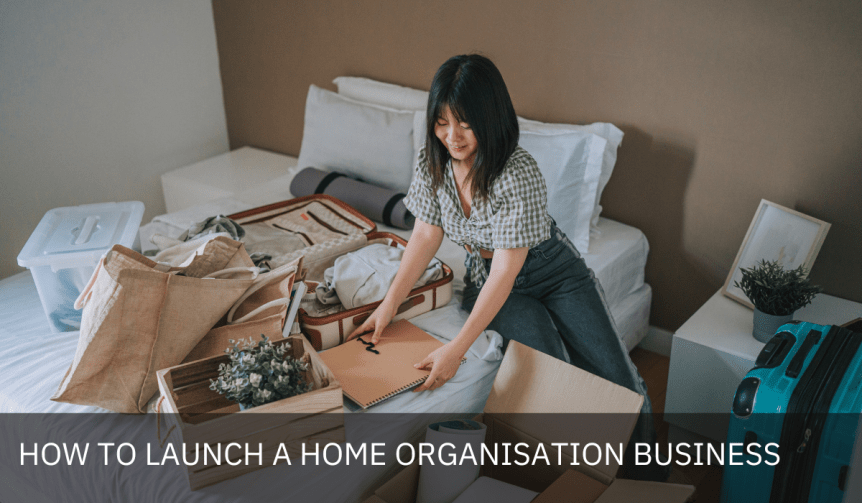
Imagine being the catalyst that transforms cluttered, chaotic spaces into serene, organised havens. As busy professionals, growing families, and downsizing individuals seek to reclaim their living spaces, the UK’s demand for home organisation and decluttering services is skyrocketing.
The British Association of Professional Organisers (APDO) reports steady growth in this industry, which presents a golden opportunity for organised minds to build rewarding and profitable businesses.
The Clutter Conundrum: Market Demand for Organisation Services
The need for professional home organisers spans a diverse clientele:
- Overwhelmed professionals seeking work-life balance
- Growing families are struggling to manage household clutter
- Empty nesters ready to downsize and simplify
- Individuals dealing with major life transitions
Your services are as varied as your clients’ needs, from tidying overflowing closets to completely reimagining living spaces. As more people recognise the mental and physical benefits of organised living, the market for these services is primed for growth.
Your Organisational Toolkit: Essential Skills
To excel in the home organisation and decluttering business, you’ll need to sharpen these key skills:
- Organisational Mastery: Transform chaos into order with efficient, aesthetically pleasing solutions.
- Empathetic Communication: Build trust and understand clients’ emotional attachments to possessions.
- Creative Problem-Solving: Find innovative storage solutions and organisation systems for unique spaces.
- Time Management: Complete projects efficiently while respecting clients’ schedules.
- Attention to Detail: Ensure every aspect of the organisation process meets or exceeds expectations.
While formal qualifications aren’t mandatory, courses in interior design, psychology, or professional organising can give you an edge. Hands-on experience through volunteering or apprenticing with established organisers is invaluable for honing your skills.
Starting Your Organising Empire: Costs and Financing
One of the beauties of starting a home organisation business is the relatively low initial investment. Here’s a breakdown of potential startup costs:
- Marketing and branding: £300 – £1,000
- Office supplies and equipment: £200 – £500
- Transportation costs: £500 – £1,500
- Licensing and permits: £100 – £300
- Insurance: £200 – £500
- Website development: £500 – £1,500
- Organisational supplies: £200 – £500
Consider personal savings, small business loans, or grants to finance your business. The British Business Bank offers various funding schemes for new entrepreneurs, and local councils often support small businesses.
Your Roadmap to Success: A Step-by-Step Guide
Research and Planning
- Identify your niche: Home organisation, office decluttering, or downsizing services.
- Craft a detailed business plan outlining your unique value proposition, target market, and growth strategy.
Legal Groundwork
- Register your business with Companies House.
- Obtain necessary licences and ensure GDPR compliance when handling client information.
Set Up Your Home Base
- Create an organised home office that showcases your skills.
- Invest in reliable transportation if you’ll be travelling to clients.
Build Your Brand
- Develop a strong brand identity that reflects your organised, professional approach.
- Create a user-friendly website showcasing before-and-after transformations and client testimonials.
Market Your Magic
- Leverage social media to share organisation tips and showcase your work.
- Network with local businesses, real estate agents, and community groups for referrals.
Streamline Your Operations
- Implement efficient scheduling and project management systems.
- Develop clear service packages and pricing models.
Attracting Clients: Marketing Strategies
Stand out in the growing home organisation market with these tactics:
- Visual Storytelling: Use before-and-after photos on Instagram and Pinterest to showcase your transformations.
- Local SEO: Optimise your online presence so that it is easily found by nearby clients seeking organisational services.
- Content Marketing: Share organisation tips, decluttering challenges, and success stories through blog posts and videos.
- Partnerships: Collaborate with complementary businesses like cleaning services, interior designers, or real estate agents.
Navigating Challenges: Your Decluttering Gameplan
Be prepared to tackle these common hurdles:
- Building Trust: Overcome hesitation by offering free consultations and sharing client success stories.
- Time Management: Use project management tools to balance multiple clients and maintain work-life boundaries.
- Emotional Clients: Develop strategies for sensitively handling clients’ attachments to possessions.
Success Stories: Inspiration from the Field
Draw motivation from these UK organisation success stories:
- APDO (Association of Professional Declutterers & Organisers): From a small group of professional organisers to the UK’s leading industry body, APDO’s growth showcases the potential in this field.
- ClutterMeister: This London-based service has carved out a niche by offering tech-savvy, tailored decluttering solutions, proving the power of specialisation and innovation.
Your Professional Organiser’s Toolkit: Essential Resources
- APDO (Association of Professional Declutterers & Organisers): For industry standards and networking
- Trello or Asana: For project management and client tracking
- Canva: For creating stunning before-and-after visuals
- Houzz or Pinterest: For organisation inspiration and client mood boards
- GDPR compliance resources: To ensure proper handling of client information
Ready to Organise Your Future?
Launching a home organisation/decluttering business in the UK is an exciting opportunity to transform your passion for order into a thriving enterprise. By following this guide and leveraging the available resources, you’ll be well-equipped to transform spaces and lives.
Remember, success in this industry comes not just from creating tidy spaces but also from the ability to bring calm and clarity to your clients’ lives. Are you ready to turn clutter into your career? Your organised future awaits!
Related Posts

Kurt Graver is the founder and CEO of SGI Consultants, a business consultancy that has helped over 2,000 entrepreneurs establish successful startups using systematic business development methodologies. An accountant with an MBA and 25 years of commerce and consultancy experience, Kurt specialises in strategic planning, market analysis, and sustainable business growth